Spain’s tapas culture is one of the world’s most beloved culinary experiences, but behind those tiny plates and bustling bars lies a story far richer than most travelers ever realize. From unexpected historical twists to modern digital reinventions, the tapas scene hides a collection of surprising secrets that reveal why these bite-sized dishes became a global phenomenon and how they continue to evolve today.
1. Tapas Probably Started as a Simple “Lid” for Your Drink
One of the most intriguing secrets of the Spanish tapas scene is its humble origin. The word “tapa” comes from the Spanish verb “tapar,” meaning “to cover.” According to popular legend, bartenders once placed a slice of bread, cheese, or cured meat over glasses of wine or sherry to prevent dust and flies from getting in. Over time, bar owners began to compete, turning these edible “lids” into more elaborate bites. What started as a practical solution for hygiene slowly transformed into a national culinary tradition that now defines social life across Spain.
2. Tapas Are Less About Food, More About Social Ritual
Visitors often think tapas are simply small portions, but Spaniards know they represent something deeper: a way of living. Tapas are designed to be shared while standing at the bar, moving from one tavern to the next, and chatting with friends and strangers alike. This ritual, known as “ir de tapas” or “tapeo,” turns eating into a moving social experience. The focus isn’t a formal sit-down meal but conversation, connection, and exploration. As tapas culture spreads globally, restaurants, food tours, and even online menus need to explain these subtle cultural codes to international visitors. For businesses that serve a global audience, managing multilingual content consistently can be challenging. Using a modern tool like a best translation management system helps keep menus, websites, and marketing materials aligned across languages while preserving the spirit behind tapas culture.
3. Not All Tapas Are Called Tapas
Across Spain, tapas go by many different names depending on the region and portion size. In some places, you will find “raciones,” which are larger shared plates, or “medias raciones,” half portions ideal for small groups. In the Basque Country, they are often called “pintxos” and usually come skewered with a toothpick on a piece of bread. In Galicia, they might appear as “petiscos” or “pinchos.” This linguistic and cultural diversity adds layers of complexity to the tapas scene and shows how flexible and regionalized Spanish cuisine really is.
4. Some Cities Still Serve Free Tapas with Your Drink
A surprising secret for many newcomers is that in certain Spanish cities, your drink automatically comes with a free tapa. Granada, Jaén, Almería, and parts of León are famous for this tradition. Order a small beer or a glass of wine and you will receive a complimentary plate of anything from patatas bravas to slow-cooked stews. Locals often choose bars not just for the quality of the drink but for the generosity and creativity of the free tapas that accompany it. This tradition turns a simple night out into a gastronomic tour without breaking the bank.
5. Tapas Fueled Creativity in Spanish Haute Cuisine
Spain’s influential modern chefs, many of them internationally acclaimed, often trace their playful creativity back to the tapas bar. Serving many small dishes rather than one main course encourages experimentation with flavors, techniques, and presentation. It has paved the way for molecular gastronomy, avant-garde plating, and daring ingredient combinations. Tapas bars became live test kitchens where chefs could quickly gauge guest reactions and refine recipes. The format rewards innovation and risk-taking, helping Spain rise as a global culinary powerhouse.
6. Regional Tapas Tell the Story of Local History
Each region’s signature tapas reveal centuries of history, conquest, trade, and migration. In Andalusia, you will find plenty of dishes influenced by Moorish flavors, such as cumin, almonds, and citrus. In coastal areas like Cádiz, Málaga, and Galicia, the tapas spotlight ultra-fresh seafood: marinated anchovies, clams in garlic sauce, octopus, and fried baby squid. Inland regions highlight hearty stews, cured meats, and cheeses that reflect pastoral traditions. Eating tapas city by city becomes a flavorful way to discover Spain’s diverse past, from Roman trade routes to New World ingredients like tomatoes and peppers.
7. The “Tapas Crawl” Is an Unwritten Map of the City
In many Spanish towns, there is an unofficial circuit of tapas bars where locals go in a fixed sequence. People might have a favorite bar for croquetas, another for grilled mushrooms, and a third for classic tortilla de patatas. No single venue tries to do everything. Instead, a neighborhood’s entire network of bars forms a kind of cooperative feast, each specializing in a few star dishes. Learning this unspoken map from locals can transform a night out into a curated tour of the city’s best bites.
8. The Modern Tapas Scene Is Powered by Global Tourism
Global demand for tapas has skyrocketed in recent decades, turning once-modest taverns into international destinations. Visitors from all over the world flock to Madrid, Barcelona, Seville, and San Sebastián specifically to experience Spanish small plates in their natural habitat. This influx has encouraged many bars to offer multilingual menus, allergy information, and online booking. It has also inspired tapas-style restaurants abroad, from New York to Tokyo. Despite this global popularity, the best tapas bars still feel deeply local, maintaining the traditions that made them special while adapting just enough to welcome international guests.
9. Dessert Tapas Are a Growing Trend
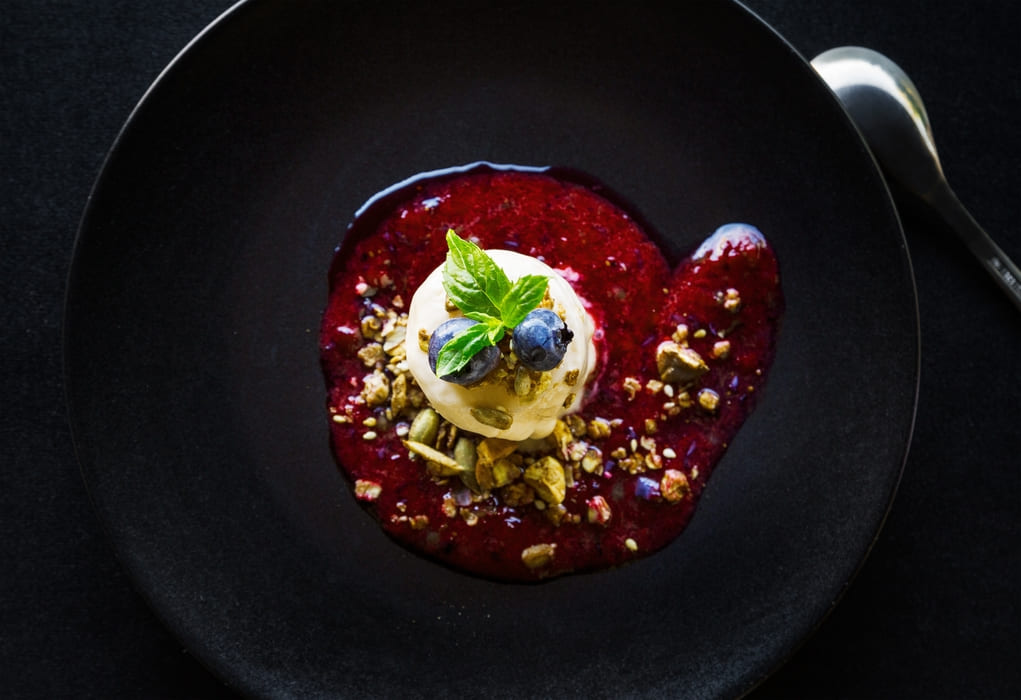
While classic tapas focus on savory offerings, an emerging trend is the rise of sweet tapas or “postres en miniatura.” Chefs are creating mini churros with dipping sauces, bite-sized sponge cakes, tiny custards, and reinterpretations of traditional desserts like tarta de Santiago or flan. These small sweets let diners sample multiple flavors without committing to a large dessert. It is the same playful, sharing-focused spirit that defines savory tapas, now extended to the final course.
10. Tapas Culture Is Being Preserved and Reinvented Online
Today, the tapas scene is not confined to bar counters and bustling plazas. Recipes, bar recommendations, virtual tours, and digital menus circulate across blogs, social media, and culinary platforms in dozens of languages. Chefs showcase signature tapas on video, while food lovers plan entire vacations based on digital guides. Behind the scenes, restaurants and tourism boards rely on careful translation and localization to communicate the nuances of their offerings. Technology is helping preserve regional identities while making the tapas experience accessible to a worldwide audience, ensuring that this centuries-old tradition continues to inspire new generations of food enthusiasts.
Conclusion: Tiny Plates, Big Stories
The world-famous Spanish tapas scene is far more complex than a collection of small dishes. It is a living social ritual, a timeline of regional history, a playground for culinary innovation, and now a global digital phenomenon. From its practical beginnings as a simple “cover” for your drink to its role in shaping modern gastronomy, tapas culture tells a rich story of how people eat, gather, and celebrate. Whether you are wandering through a narrow alley in Seville or browsing a menu online at home, each tapa carries a secret: it is not just food, but an invitation into the heart of Spanish life.